Stop Booking Vehicles. Start Using Routes Already in Motion.
GoLynk orchestrates shipments across existing routes — reducing detours, cost, and empty miles.
- Lower cost
- Faster lanes
- Unified tracking
- CO₂ visibility
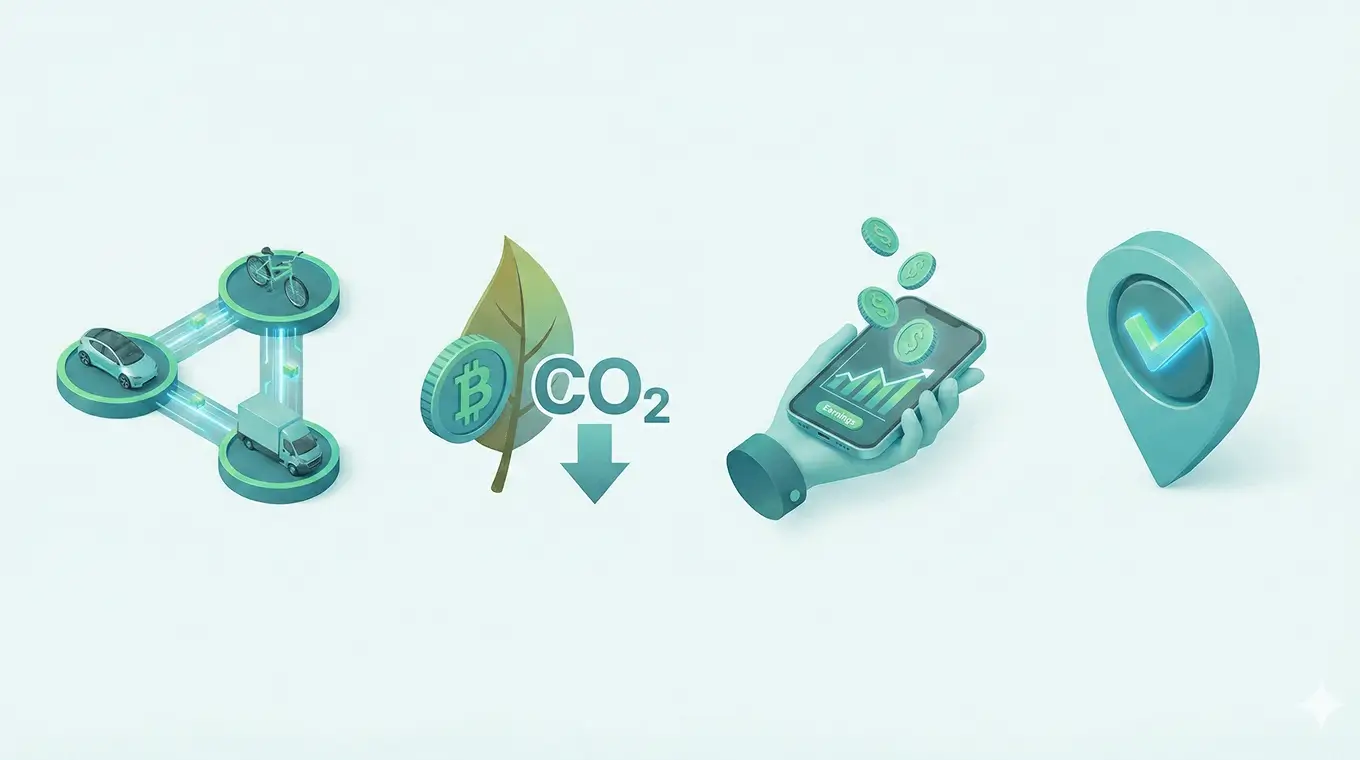
The Hidden Cost of Shipping
Capacity exists. It moves every day. It isn't coordinated.
Empty Miles
Trucks return half full. You still pay for the road.
Fragmented Networks
Parcels and freight move separately. Efficiency breaks in between.
Surface-Level Visibility
"Out for delivery" isn't insight. Structure stays hidden.
Most logistics systems add vehicles. We orchestrate routes already in motion.
What GoLynk Is (and Isn't)
Not a Courier
We don't add vehicles to meet demand.
Not a Marketplace
We chain multi-hop routes under detour constraints.
Not Crowdshipping
Every handoff is verified and insured.
GoLynk is an orchestration layer that turns routes already in motion into structured logistics capacity.
How It Works
Three steps from shipment to optimization.
Define the Shipment
Shipment type, size, handling
Time window, service level
(Same-day, next-day, 2–3 days)
Orchestrate the Journey
Engine builds 2–3 hop multi-modal plan
Evaluates: overlap, time, capacity, cost, reliability, CO₂
(Real-time route optimization)
Execute + Report
One tracking view, one invoice
Exportable cost + CO₂ per shipment
(Finance & ESG ready)
Optimization Priorities
Route Scoring Example
Good overlap, higher detours
Lower cost, less reliable
Best overlap + detour balance + reliability
One Network. Two Scales.
Whether you ship parcels or full truckloads, the orchestration logic remains the same.

Urban Scale
Urban Scale
High-frequency. Short-hop. Density-driven.
For e-commerce, recommerce, retail, and time-sensitive flows.
GoLynk chains walkers, bikes, vans, trains, and microhubs into structured urban corridors — prioritizing existing routes over new vehicle dispatch.
- Same-day / next-day on dense lanes
- White-glove and high-value handling
- Microhubs that reduce detours
- CO₂ visibility per order
Parcels move through movement already happening.
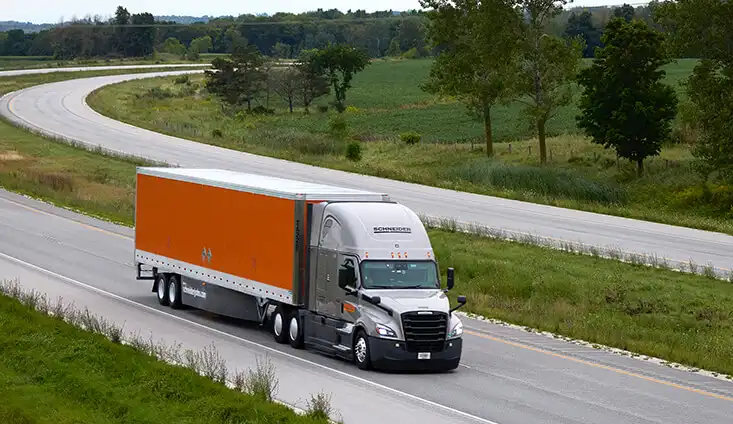
Freight Scale
Freight Scale
Long-haul. Backhaul. Lane optimization.
For manufacturers, distributors, and large-volume flows.
GoLynk surfaces underused truck capacity and return journeys — chaining long-haul with first and last mile only where shared capacity supports it.
- Backhauls before dedicated runs
- Density-aware lane structuring
- One orchestration layer across loads
- CO₂ and avoided empty miles per lane
Freight moves on routes already in motion — not additional vehicles.
How the Network Adapts
One orchestration system.
Different shipping realities.

E‑Commerce & Marketplaces
Delivery speed without premium courier economics.
- — Same‑day on dense corridors
- — Returns structured into existing routes

Retail & Multi‑Location Replenishment
Inventory flow without dedicated fleet expansion.
- — Multi‑stop routing based on shared corridors
- — Shared density across connected store routes

Fresh, Fragile & High‑Value
Controlled handling within structured multi-hop routing.
- — Carrier selection by handling profile
- — Short, time‑bound hops via microhubs
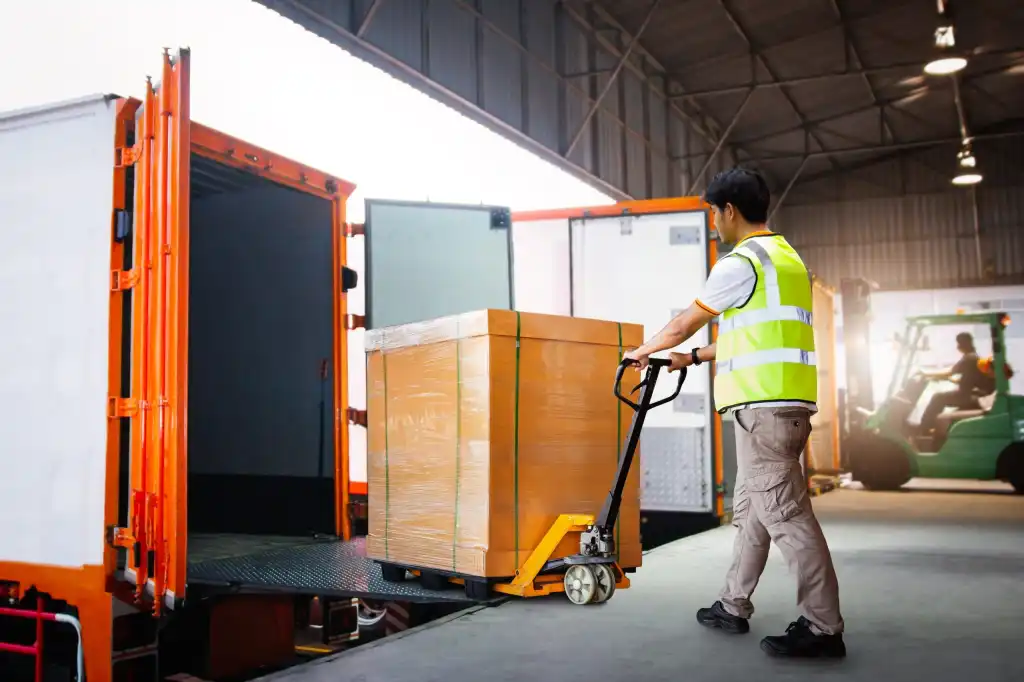

Traditional vs GoLynk
Traditional logistics adds vehicles. GoLynk optimizes routes already in motion.
Traditional Model
Standard next‑day or slower
Rigid, fixed‑rate stops
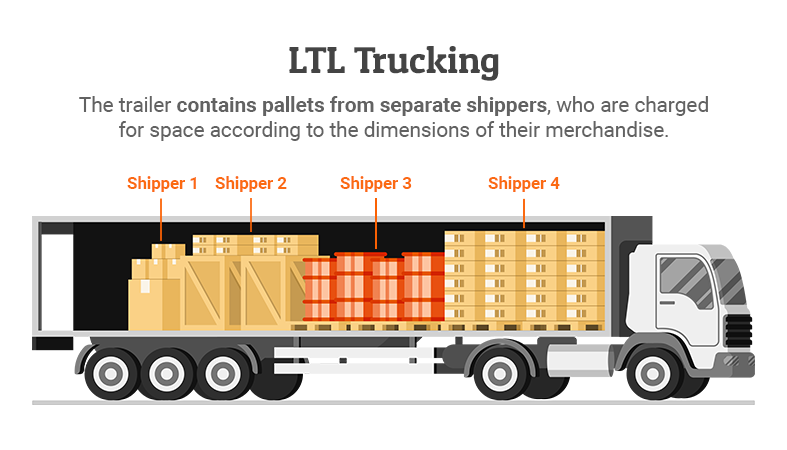
Built for either parcels or full trucks, gaps for mixed flows
Generic "out for delivery", hard to follow
CO₂ impact rarely measured or managed
GoLynk Model
Same‑day, on‑route by design
Dynamic pricing based on real routes and capacity
One layer for parcels, pallets, and mixed flows on existing routes
Leg‑by‑leg updates and clear ETAs customers can actually see
Per‑shipment CO₂ impact visible and reduced vs traditional runs
Bring your lanes into the GoLynk model.
Discuss Lane EvaluationThe Orchestration Interface
GoLynk is not only a routing engine.
It includes the control and visibility layer used by shippers and
capacity partners.
One system. Shared logic. Full transparency.
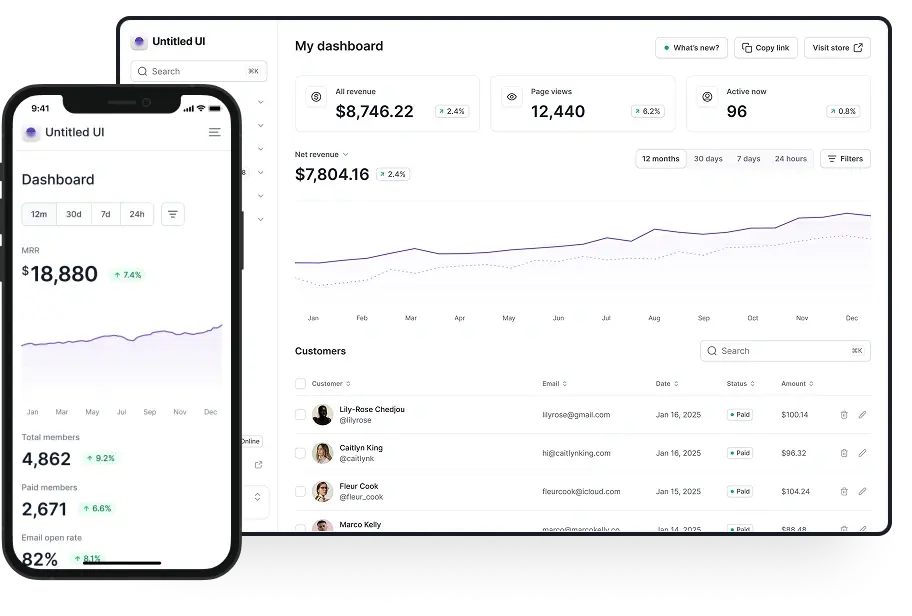
Unified Control Dashboard
Shippers and carriers access the same orchestration layer through structured dashboards — across desktop and mobile.
Learn more
API-First Integration
GoLynk integrates directly with TMS, WMS, ERP, and e-commerce systems.
Learn more
Trust & Accountability Layer
Every shipment is executed within a verified and rule-based environment.
Learn moreDeep Dive into the Interface
Explore the key components that make GoLynk's orchestration interface unique.
Technology
Technology (Brief)

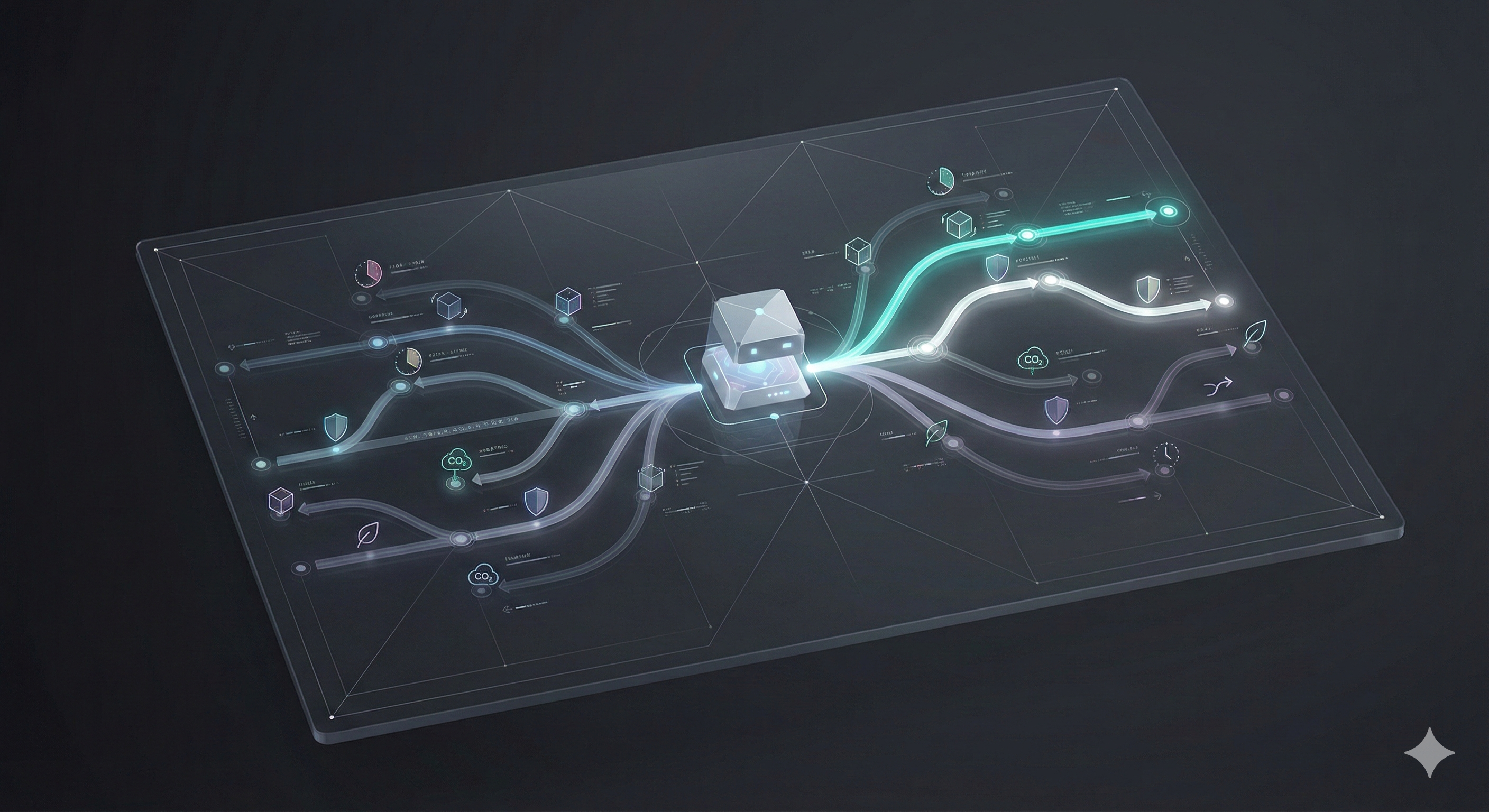
Orchestration Graph
Routes modeled as one movement graph.
Matching Engine
Scores legs and chains 2–3 hops.
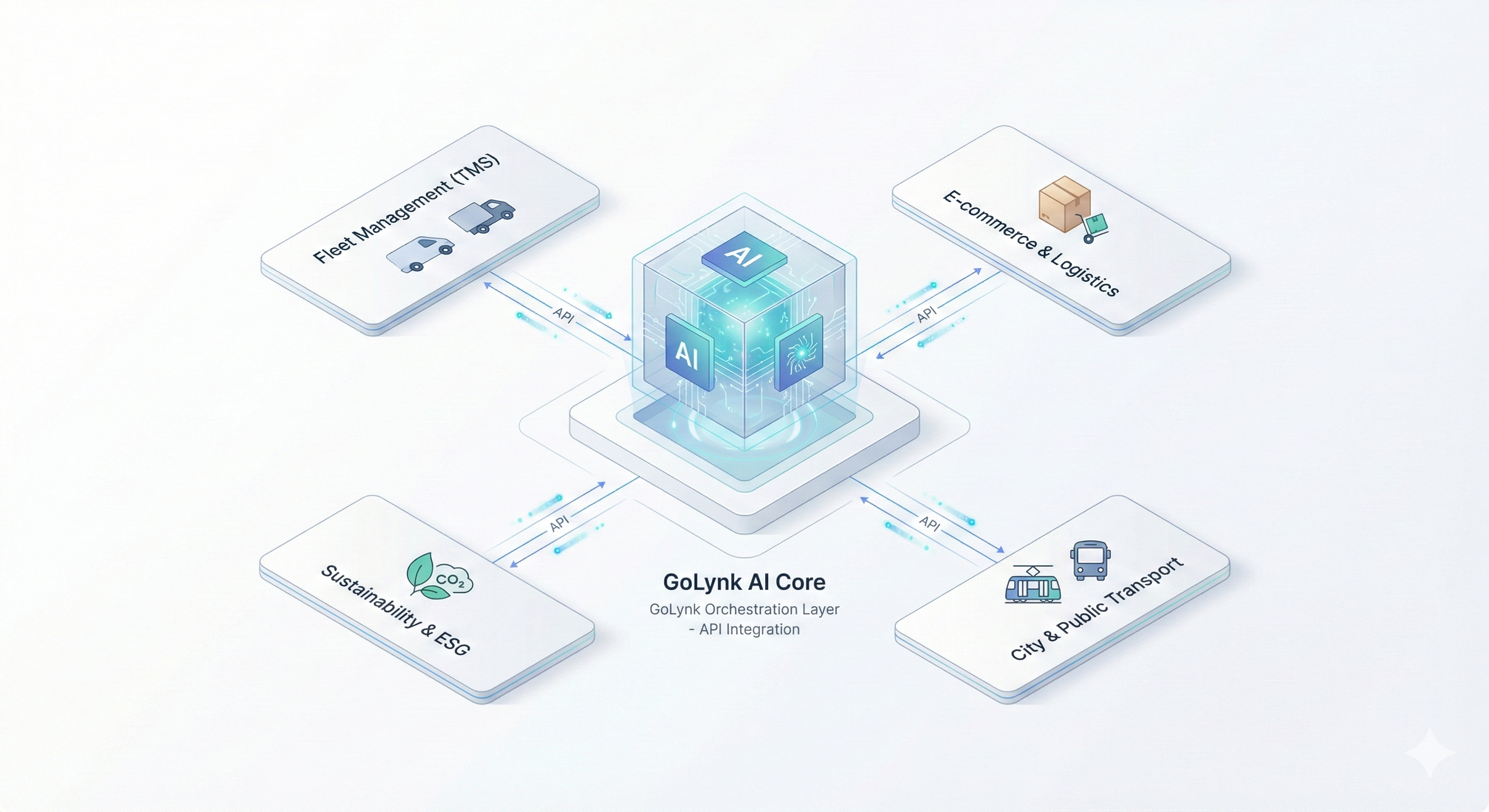
API-First Integration
Plugs into TMS/WMS/ERP and dashboards.
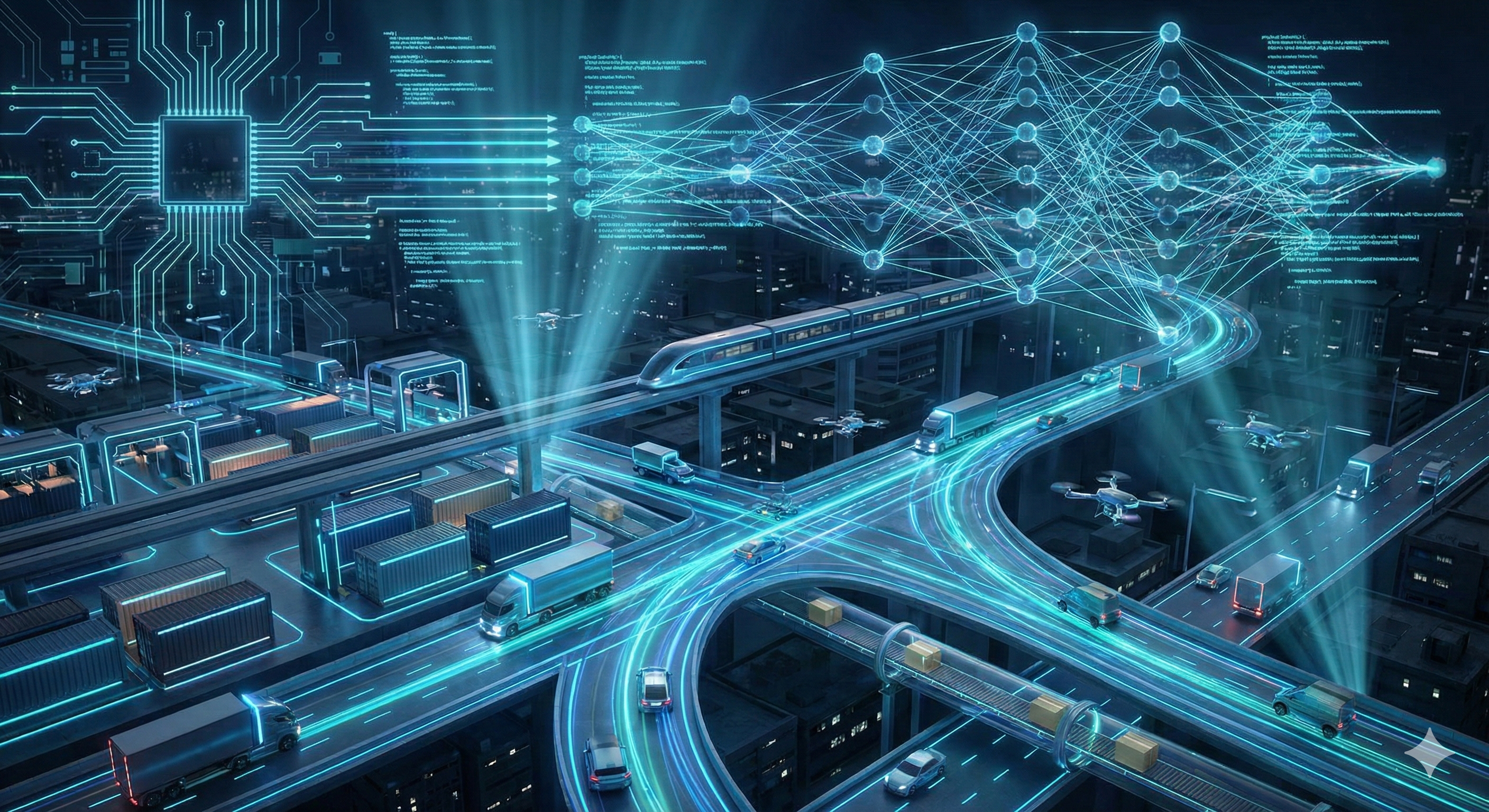
Data-Driven Improvement
Better ETAs and pricing as lanes scale.
Frequently asked questions
6 short, shipper‑specific questions + answers.
Early Shipping Partner Program
We are onboarding selected shippers across priority lanes.
Share your routes and expected shipment volume.
We'll outline where routes already in motion can improve cost and reliability.

Start Shipping on Existing Routes
Tell us what you move and where — we'll confirm if your corridor is active.
Thanks for your interest!
We'll review your corridor and respond shortly.